
Supporting Your Child Through EMDR: Understanding Healing Between Therapy Sessions
When your child begins EMDR therapy for kids, you might expect to see steady progress and clear signs of improvement after each session. Instead, you may notice changes in their behavior that feel confusing or even concerning. Sometimes, children show increased anxiety, mood swings, or other symptoms between sessions. Other times, they seem calm and unaffected. Both reactions are normal parts of the healing process. Understanding what happens between therapy sessions can help you support your child with patience and empathy as they work through trauma and fears.
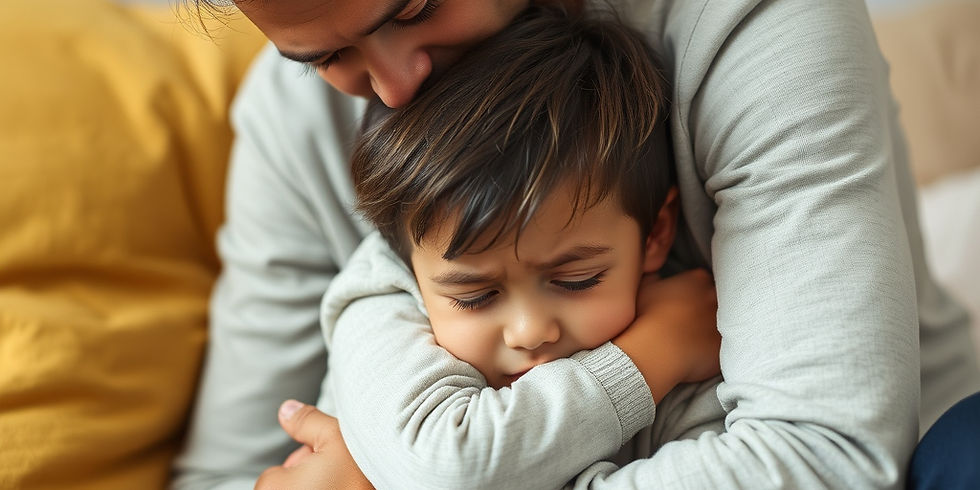
Why Symptoms Can Increase Between Sessions
EMDR therapy for kids involves recalling and processing difficult memories and feelings. This can bring up strong emotions that your child may not have fully expressed before. After a session, your child might:
Feel more anxious or scared
Have trouble sleeping or experience nightmares
Show irritability or mood swings
Withdraw from family or friends
These reactions do not mean the therapy is failing. Instead, they often indicate that your child’s brain is actively working through the trauma. Processing can temporarily increase distress as old wounds surface. This phase is a sign that healing is underway, even if it feels uncomfortable.
For example, a child who experienced a car accident might suddenly become fearful of riding in a car after a session. This fear shows the trauma is being accessed and needs extra support to heal.
Why Some Children Show Few or No Symptoms Between Sessions
On the other hand, some children appear calm and show little change between sessions. This can happen because:
Children often process trauma faster than adults
They may use natural resilience to manage emotions quietly
Processing can happen internally without obvious signs
This calm does not mean the therapy is not working. It means your child is moving through the healing process in their own way and time. Every child’s journey is unique, and some may need less time to integrate the changes EMDR therapy brings.
How You Can Support Your Child Between Sessions
Your role as a parent is crucial during this time. Here are ways to support your child’s healing:
Be patient and empathetic. Understand that your child’s emotions may fluctuate. Offer comfort without pressure.
Create a safe environment. Keep routines consistent and provide a calm space where your child feels secure.
Encourage open communication. Let your child know it’s okay to talk about their feelings when they are ready.
Watch for signs of distress. If symptoms escalate or last a long time, share this with your child’s therapist.
Avoid pushing for progress. Healing takes time. Celebrate small steps and avoid rushing your child.
Communicate openly with the therapist. Communicate regularly with the therapist, even if you don't see symptoms between sessions. Open communication between parents / caregivers and therapists is an important part of the therapeutic process for children, so feel free to share updates and ask questions whenever needed.
For instance, if your child becomes more anxious about bedtime after a session, you might add a relaxing bedtime routine with reading or soft music to help them feel safe.
What to Expect as Therapy Progresses
EMDR therapy for kids is a process that unfolds over weeks or months. You might notice:
Initial symptom increase followed by gradual improvement
Periods of calm and stability between sessions
Your child gaining new coping skills and confidence
Reduced fear and trauma-related behaviors over time
Remember, healing is not linear. Some days will be better than others. Your child’s therapist will guide you on what to expect and how to help.

When to Reach Out for Extra Support
If your child’s symptoms become overwhelming or interfere with daily life, it’s important to contact their therapist. Signs to watch for include:
Intense or prolonged anxiety or sadness
Self-harm or aggressive behavior
Trouble eating or sleeping for several days
Withdrawal from all social activities
As a parent, you are an important part of your child's therapeutic team. Children benefit tremendously when caregivers and therapists collaborate, so feel free to share your observations and ask questions. Remember that healing isn't linear and therapists can adjust treatment plans or suggest additional support to help a child manage challenges that arise during their healing process.


Comments