
Common Responses to Divorce in Children: Parenting Support to Help Kids Cope
Updated: May 6
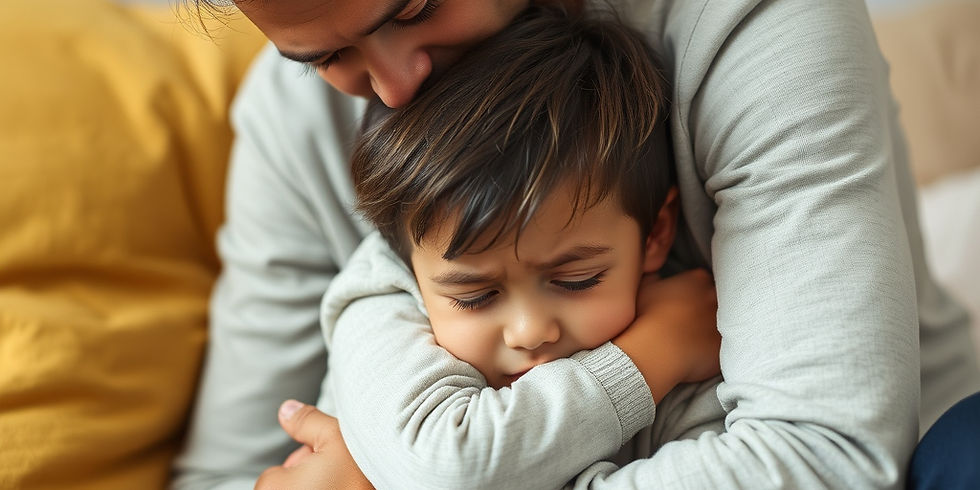
Divorce is a life-changing event for any family, but its impact on children can be especially profound. Children often experience a complex mix of emotions during and after their parents' separation. These feelings can be confusing and difficult to express, leading many children to hide their true emotions, sometimes for months or even years. Understanding these emotional reactions is crucial for parents and caregivers who can play an important role in a child's grieving and healing process through this challenging time.
This post explores common emotional experiences children face during divorce, highlights the differences between children who seem to cope well and those who struggle, and offers practical advice for creating a supportive environment that helps children heal and grow.
Common Emotional Responses to Divorce
Children’s emotional reactions to divorce vary widely depending on their age, personality, and family situation. Still, several common themes often emerge.
Hiding Feelings
Many children hide their feelings during their parents' divorce. They may fear burdening their parents or worry about being seen as weak. For example, a child might smile and act cheerful at school while feeling sad or anxious inside. This hiding can make it harder for adults to recognize when a child needs extra support. If these issues go unnoticed and unaddressed, they can build into larger problems for children as they grow up and even into their adulthood.
Trying to Care for Parents
Some children take on a caregiving role, trying to comfort or protect their parents. They might act as peacekeepers during arguments or try to cheer up a sad parent. This role reversal can be emotionally exhausting and confusing for children, who need care themselves.
Experiencing Anger or Hope for Reconciliation after Divorce
Anger is a natural response to divorce. Children may feel angry at one or both parents for breaking up the family. At the same time, many children hold onto hope that their parents will reconcile. This mix of anger and hope can create emotional turmoil and make it difficult for children to process their feelings.
It's natural for parents to feel defensive and upset when their child blames them for a divorce. However, it's important for the child to express these feelings instead of keeping them inside. If a parent becomes angry and defensive, shutting down the conversation, the child might feel that their anger is wrong or unwelcome. These emotions are common, however, and a parent's ability to listen to the child's feelings, set appropriate boundaries for emotional expression (ensuring everyone's safety), and offer emotional comfort can be a powerful way to build a resilient and secure attachment with the child, even during challenging times.
Children Feel Responsible for the Divorce
It is common for children to blame themselves for their parents’ separation. They might think that their behavior caused the divorce or that they could have prevented it. This misplaced guilt can lead to low self-esteem and anxiety.
Understanding Children's Needs after Divorce: What's Behind Their Behaviors
Some children seem to handle divorce well by excelling academically or in extracurricular activities and by behaving compliantly. These high-achieving children might appear resilient, but their accomplishments can hide deeper emotional issues. They may use success as a means to gain control or seek approval during a time when they fear losing the affection of either parent. Despite their outward success, these children still require assistance to comprehend and process their experiences.
In contrast, other children exhibit clear signs of emotional distress. They might become socially withdrawn, struggle with concentration, or experience mood swings. These children clearly need additional attention and support to help them manage their emotions.
Grasping this distinction is essential as it alerts adults that outward achievements don't always reflect a child's emotional health. It's important for the whole family to communicate their experiences, comprehend the circumstances, and work through their feelings both during and following a divorce. Failing to address and discuss these issues otherwise can result in more complications later on.

Creating a Supportive Environment to Help Children Cope with Divorce
Parents play a vital role in helping children cope with divorce. Whether a child seems to be doing well or not after divorce, parents are encouraged to take proactive steps to ensure their own as wellbeing as well as taking care of their child's wellbeing throughout this challenging transition.
Children are remarkably resilient. With the right support and environment, they can adapt and thrive despite the challenges of divorce. A key part of this support is acknowledging children’s emotions openly and without judgment. When children feel safe expressing sadness, anger, or confusion, they can begin to process these feelings in healthy ways. Parents who listen carefully and validate their children’s experiences help build emotional strength and trust.
Parents can also help create the environment that children need to thrive despite this challenging transition. Here are practical steps that parents can take to help their kids manage during divorce:
Encourage Open Communication
Invite children to share their feelings regularly. Use simple language and reassure them that all emotions are okay.
Normalize Big Emotions
Explain that feeling sad, angry, or confused is normal during divorce. Avoid minimizing or dismissing these feelings.
Maintain Routines
Consistent daily routines provide a sense of stability and security for children.
Avoid Blaming or Criticizing
Keep conversations about the divorce free from blame. Protect children from adult conflicts.
Offer Reassurance
Remind children that the divorce is not their fault and that both parents love them.
Seek Professional Support if Needed
If a child shows signs of ongoing distress, consider counseling or support groups specializing in children of divorce.
Practical Examples of Supporting Children During Divorce
A mother might say, “I know this is hard for you. It’s okay to feel upset. I’m here to listen whenever you want to talk.”
A father could keep bedtime routines consistent, helping the child feel secure despite changes in family life.
Parents might attend a family therapist session together to show a united commitment to their child’s well-being.
Parents could select suitable children's books about divorce or make time to discuss the divorce with a child to help explain the situation in simple terms.
Discussing Your Experience as a Parent
Parents and children can both benefit from parents acknowledging their emotions verbally to their child. This doesn't mean they should reveal exactly what they're feeling and why, however. Simply saying that a parent feels sad or upset can validate a child's keen awareness of their parent's emotions. It also normalizes experiencing both negative and positive emotions as a natural part of being human and facing challenges. Emotions serve as messages from the body, alerting us to our needs during tough times. It's perfectly fine for parents to admit they need support and assistance while navigating a divorce. However, be cautious about what you share, as oversharing can harm a child's well-being. Children often feel responsible for divorce and/or parental conflict and may take on a caretaking role for their parents. Therefore, parents should share the basics of their emotional experience and save the details for discussions with other supportive adults.
It's crucial to understand that forcing a child to take sides in a divorce can cause significant long-term psychological harm, including severe anxiety, depression, and lasting guilt. Even if another parent is making harmful choices, the non-offending parent can protect the child's emotional well-being by setting clear, age-appropriate boundaries, discussing the situation neutrally and calmly, and consistently reinforcing that the child is not responsible for adult problems or decisions. By prioritizing the child's sense of safety, stability, and connection to both parents (when appropriate), the parent helps preserve the child's ability to form secure relationships and a healthy sense of self over time.
Parents are encouraged to care for themselves and their needs, as this period can be especially difficult for them as well. There are numerous books available to help parents address their own needs and those of their children during divorce. Professionals can also assist parents with the challenging decisions and experiences they will face during a divorce. Remember, you can only care for a child properly when you are healthy yourself. Doing so enables parents to better manage the divorce process and their responsibilities as caregivers.


Comments